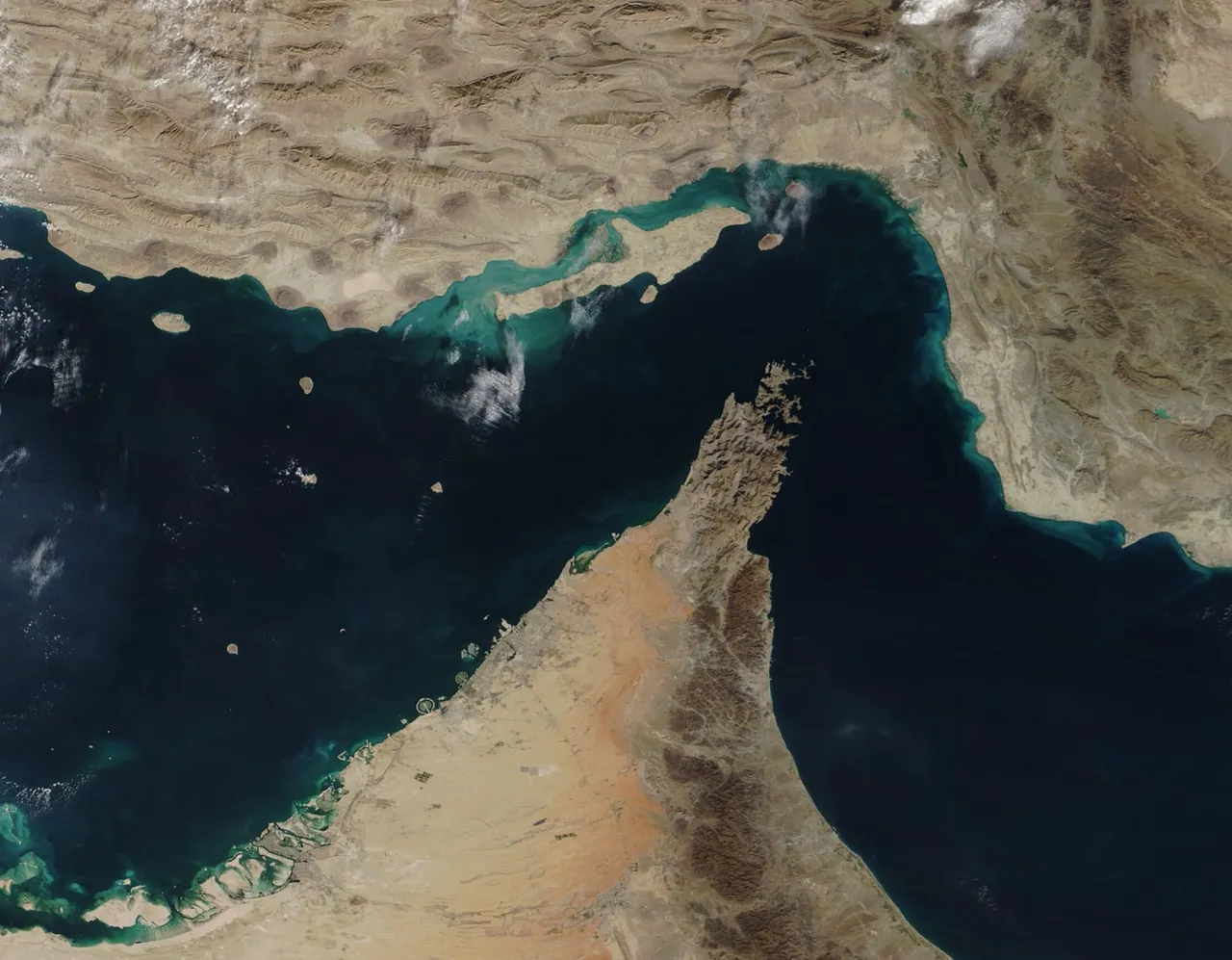
For any importer relying on shipping from China to Saudi Arabia, shipping from China to UAE, or other GCC corridors, the Strait of Hormuz remains the single most important chokepoint in the world. On 13 August 2026, Lloyd’s List Intelligence published its latest weekly shipping-intelligence data, and the headline is clear: Hormuz traffic shows no sign of recovery.
This article breaks down the new numbers, explains why oil tankers are moving while container ships are still detouring, and tells you what to do if you have cargo on the water or about to leave China for the Gulf.
Key Takeaways
- Lloyd’s List Intelligence measured a 18% week-over-week drop in total Hormuz transits.
- Outbound transits (from the Gulf towards the Indian Ocean) fell 30%, while inbound transits fell 6%.
- Bab el-Mandeb and Suez Canal volumes also slipped, confirming that the Red Sea–Hormuz crisis is still tightening.
- A growing ship-to-ship transfer market in the Gulf of Oman lets oil cargoes move, but this is not a return to normal commercial shipping for container lines.
- If you are moving consumer goods, machinery, or project cargo, the safest assumption is that the main route remains disrupted through August and probably September 2026.
What the Latest Lloyd’s Numbers Show
Lloyd’s List Intelligence compared the most recent seven-day window with the week before. The numbers are summarised below.
| Route / chokepoint | Latest weekly transits | Prior week | Change |
|---|---|---|---|
| Strait of Hormuz – total | 508 | 620 | –18% |
| Strait of Hormuz – outbound (Gulf → Indian Ocean) | 253 | 361 | –30% |
| Strait of Hormuz – inbound (Indian Ocean → Gulf) | 255 | 271 | –6% |
| Bab el-Mandeb | 269 | 273 | –1.5% |
| Suez Canal | 263 | 275 | –4.4% |
Source: Lloyd’s List Intelligence, 13 August 2026.
The drop in outbound traffic is especially important for GCC importers. Outbound cargoes leaving the Gulf include oil, petrochemicals, and refined products, but the same congestion and security concerns also affect the inbound container services that carry your goods from China to Jebel Ali, Jeddah, Dammam, Sohar, and Doha.
Why Oil Tankers Are Moving, But Container Ships Are Not
You may have seen headlines saying that Gulf oil exports are recovering. That is partly true for crude, but it is not the same as a reopening for container shipping. Here is the difference.
Oil tankers use a “shuttle” playbook
Oil traders and state companies are running a ship-to-ship transfer system in the Gulf of Oman. Large crude carriers load in Iraqi or Gulf ports, then lighter or transfer cargoes in the relative safety of Oman’s waters before the original vessel turns back or a second ship continues through the wider Arabian Sea. Reports cite ADNOC, Sinokor, and the Kuwait Oil Company among the players using this workaround.
This works for crude because:
- A single cargo is worth tens of millions of dollars, so the cost of extra handling is small compared with the cargo value.
- The cargo can be transferred in open water with minimal port infrastructure.
- Many tankers are already operating under the “shadow fleet” model, where insurance, ownership, and routing decisions are deliberately opaque.
Container ships cannot copy the oil playbook
Container shipping is a scheduled, network-based business. A containership needs a secure berth, a terminal, and reliable connections to the next port. It cannot simply anchor offshore and move boxes from one hull to another. That is why the latest sea freight schedules still show cancellations, rerouting via the Cape of Good Hope, or prolonged blank sailings through the Gulf.
For a typical shipment from Ningbo or Shenzhen to Jeddah, the practical result is longer transit times, tighter space, and higher rates. Even if you are moving air freight goods, the sea-freight backlog can pull air cargo demand up, tightening both modes.
What Maersk and Hapag-Lloyd Are Saying About Costs and Rates
The carrier earnings season confirms the pressure is real. On 13 August 2026, gCaptain reported that Hapag-Lloyd absorbed approximately USD 600 million in extra costs in the second quarter of 2026 because of the Middle East crisis. Those costs came from bunker, rerouting, insurance, storage, and inland workarounds. At the same time, Maersk raised its full-year EBITDA guidance to a range of USD 10.5 billion to 12.5 billion, partly because strong demand and constrained capacity allow higher rates.
Average freight rates reported by Maersk were USD 1,475 per TEU, up 9% year-on-year. This is not speculation; it is the rate environment your forwarder is buying space in today. Carriers are not going to absorb the disruption indefinitely. The pass-through to shippers is already happening.
Why the “Iran Deal” Headlines Are Not Enough
Every few days there are new statements from Washington, Tehran, Doha, or Islamabad about a possible arrangement for Hormuz. The problem is that even a political agreement does not instantly restore maritime confidence. Insurance markets, shipowners, and charterers need:
- A sustained period with no attacks on merchant vessels.
- Clear guidance from war-risk insurers and the Joint War Committee.
- Confirmation that port authorities can resume normal rotations.
- A fall in the war-risk premium that has been added to voyages through the Gulf.
Until those conditions are visible in the data, not just in the headlines, the route remains risky. Paying a third party for “safe passage” also raises sanctions concerns, including possible US Office of Foreign Assets Control (OFAC) exposure, which is why mainstream container lines are not taking shortcuts.
How Long Could This Last?
The most honest answer is: longer than the headlines suggest. The same Lloyd’s data shows that Suez Canal and Bab el-Mandeb volumes are also drifting lower, not higher. That means the disruption is not local to Hormuz; it is part of a broader Red Sea–Gulf crisis that has now lasted for more than a year and shows no sign of a quick exit.
For planning purposes, GCC importers should model at least two scenarios:
| Scenario | Assumption | Planning horizon |
|---|---|---|
| Near-term disruption | Container lines keep avoiding Hormuz; limited Suez/Bab recovery | August–October 2026 |
| Protracted adjustment | Political talks continue but insurance and port rotations lag | Q4 2026 and into 2027 |
If your supply chain depends on regular arrivals at Jebel Ali, Jeddah, or Dammam, the safest assumption is the longer scenario.
What GCC Importers Should Do Now
If you have cargo moving from China to the Gulf, here is a practical checklist.
- Book earlier than usual. Vessel space is tight because fewer sailings are calling Gulf ports. Last-minute bookings are likely to be rolled or delayed.
- Consider alternative routing. If you can accept a few extra days, shipping from China to Oman via Sohar or Salalah can sometimes offer a more stable berth than Hormuz-facing ports. From Oman, cargo can move by feeder, road, or air to the UAE, Saudi Arabia, Qatar, or Kuwait.
- Use a UAE warehouse as a buffer. Holding safety stock in Jebel Ali or Dubai reduces the impact of one missed sailing. Ask us about our warehouse services and GCC redistribution.
- Check your insurance and Incoterms. Make sure your policy covers war-risk and rerouting. DDP or DAP terms can shift the pain of delays to your forwarder, but only if the forwarder has the Gulf network to absorb it.
- Build a landbridge option. For urgent cargo, combine air freight from China to Dubai or Riyadh with final-mile truck distribution. For less urgent cargo, a Cape routing with buffer stock may be cheaper than a panic air uplift.
- Get a weekly ETA update. A single sailing date is no longer reliable. You need a forwarder that tracks vessel positions, port congestion, and customs status in real time.
Frequently Asked Questions
Is the Strait of Hormuz closed?
No, it is not legally closed. But commercial container traffic is far below normal, and many lines are still routing around the Cape of Good Hope or using shuttle/feeder models. The risk premium keeps many scheduled services away.
Are oil tankers and container ships affected the same way?
No. Oil tankers can use ship-to-ship transfers and are willing to operate with limited insurance cover. Container ships need terminals, cranes, and predictable schedules, so they are much slower to return.
Will freight rates fall after a political deal?
Not immediately. Rates will fall only after insurers, shipowners, and port operators are confident the route is safe for weeks or months. Expect a lag of at least four to six weeks after any credible ceasefire or agreement.
Should I switch from sea freight to air freight?
If your product has high margins, short shelf life, or urgent deadlines, yes. For bulky or low-value goods, the better move is usually a buffer-stock strategy in the UAE or Saudi Arabia, plus earlier sea bookings.
Which GCC ports are most reliable right now?
Jebel Ali (UAE) and the main Saudi gateways remain open, but arrivals are irregular. Oman’s Sohar and Salalah are useful alternatives because they sit outside the narrowest part of Hormuz. Shipping from China to Qatar and shipping from China to Kuwait remain possible, but space is tighter than in 2024.
Related reading
- Hormuz Strait transit risks and what they mean for China-GCC shipping costs
- Fujairah Port as a Hormuz alternative: what shippers need to know
- Houthi maritime embargo and Saudi Arabia: alternatives for China-GCC cargo
- Lloyd’s Market Association clause: when Hormuz transit fees can void your insurance
- Bab el-Mandeb attack and seafarers killed: how to protect China-Saudi cargo
Hero image: The Strait of Hormuz on 2 December 2020, captured by the MODIS instrument on NASA’s Terra satellite. Public domain image by NASA Goddard Space Flight Center.
Get a route check before your next shipment
- WhatsApp: Get a quote now