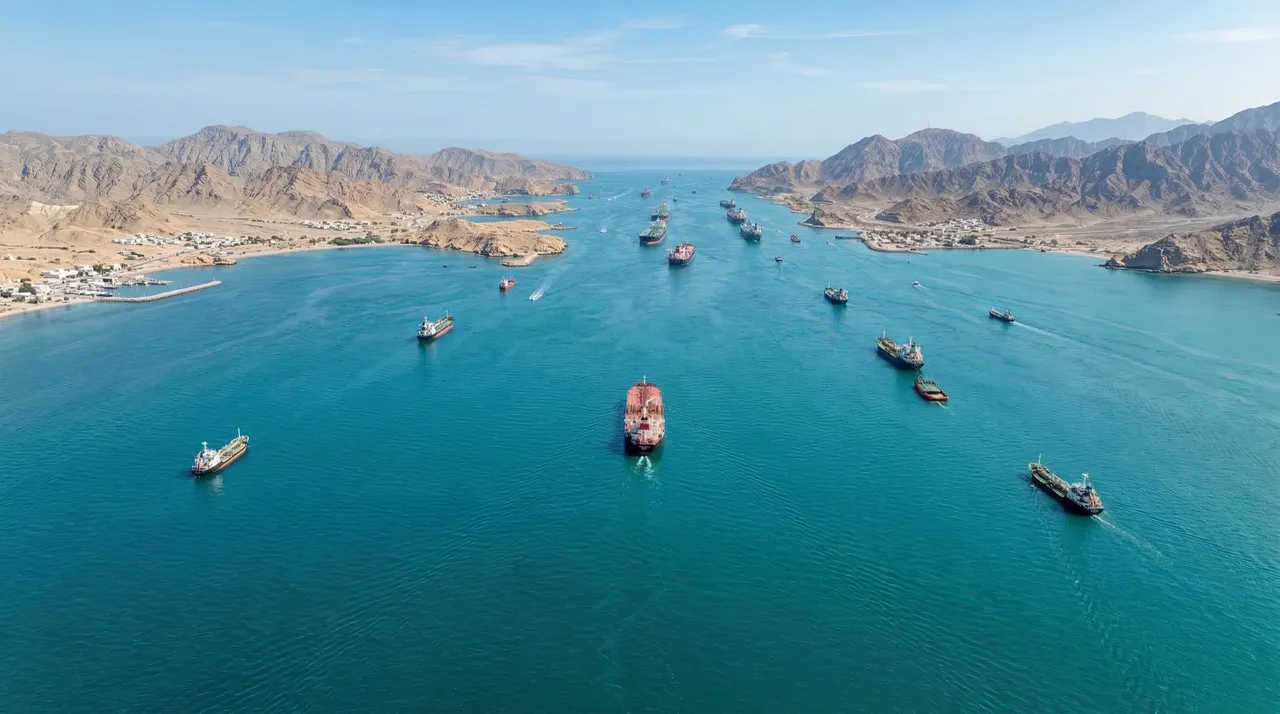
In late July 2026, Lloyd’s Market Association (LMA) issued an insurance clause that could change how every shipment from China to the Gulf is priced and protected. The clause is simple but severe: if a vessel pays a transit fee to pass through the Strait of Hormuz, the war risk underwriter may terminate coverage immediately. According to a Reuters report dated 6 August 2026, this creates a maritime catch-22 — do not pay and the ship may not be allowed through; pay and the insurance is void.
This is not just a problem for shipowners and insurers. It directly affects every importer in Saudi Arabia, the UAE, Qatar, Kuwait, Bahrain, and Oman who buys goods from China. When insurance coverage disappears, the cost, risk, and timing of a shipment change completely, and part of that risk may be pushed back onto the cargo owner.
In this article, we explain what the new LMA clause means, how it interacts with Iran’s and Oman’s proposed Hormuz transit fees, and what practical steps importers and exporters should take now to avoid insurance and compliance surprises.
What is the new LMA clause?
Lloyd’s Market Association (LMA) is the body that issues standard insurance clauses used widely in the London marine insurance market. On 29 July 2026, it released a clause stating that if a vessel pays a transit or passage fee related to the Strait of Hormuz, the war risk insurer has the right to end its coverage.
Why is this clause a big deal?
Traditionally, marine cargo insurance covers physical damage and total loss, while war risk insurance covers damage caused by war, hostile acts, terrorism, and civil unrest. The new clause adds a regulatory condition: coverage is conditional on not paying fees to a specified political or military entity. Once the vessel pays, the insurer considers it to have accepted additional risks that the policy does not cover.
The Hormuz catch-22: pay, or do not pass
Reuters reported on 6 August 2026 that Iran is seeking a transit fee of 5% to 7% of cargo value for vessels using the Strait of Hormuz, while Oman is discussing a fee of around 3%. The United States wants the strait to remain open with no fees at all.
This creates an unprecedented situation for commercial shipping:
- If the vessel refuses to pay: it may be denied passage, forced to wait, or subjected to extra inspections.
- If the vessel pays: the payment may be treated as support for a sanctioned entity, and the war risk insurer can void coverage.
What does “catch-22” mean here?
In risk management, a catch-22 means you face two bad options: stop shipping, or accept terms that cancel your insurance protection. There is no traditional safe choice. The only real solution is to restructure the freight and insurance contracts so that risk is shared between the cargo owner, the carrier, and the insurer before the goods leave China.
Why Gulf importers should care
If you import goods from China to Saudi Arabia, the UAE, Kuwait, Qatar, Oman, or Bahrain, your shipment will almost certainly pass through the Strait of Hormuz. If transit fees are imposed, the impact is not just a higher freight bill. It extends to:
- Cancellation or restriction of war risk insurance on the vessel and cargo.
- Higher insurance premiums for vessels that refuse to pay or are rerouted.
- Extra transit delays caused by rerouting or fee negotiations.
- Legal and sanctions exposure if the payment is considered support for a sanctioned party.
What does “cargo value” mean for the fee?
If Iran applies a 5% to 7% fee on cargo value, a 40-foot container loaded with goods worth USD 100,000 would face a fee of USD 5,000 to USD 7,000. For a container worth USD 500,000, the fee rises to USD 25,000–35,000. These numbers can change the economics of an entire shipment, especially for low-margin goods.
Note: GCC Freight does not use the USD symbol or any U.S. flag in its own pricing. The figures above are used only to illustrate the Reuters report. When you request a real quote, we price in AED, SAR, and CNY based on the market.
The shipping industry responds: eight organizations reject the fees
On 5 August 2026, eight major shipping organizations — including BIMCO, ICS, INTERTANKO, INTERCARGO, and WSC — sent a joint letter to UN Secretary-General António Guterres and IMO Secretary-General Arsenio Dominguez. The letter stated that any mandatory fee for passing through the Strait of Hormuz would be an unjustified additional cost that undermines the UN Convention on the Law of the Sea (UNCLOS) and the principle of freedom of navigation.
Why this matters to importers
These organizations represent most major liner companies, shipowners, and insurers. When the industry speaks with one voice against the fees, it means:
- Liner services may refuse to pay, which could delay schedules.
- Insurers will continue tightening their terms.
- Importers should not expect a quick fix, but rather plan for a long-term emergency strategy.
U.S. sanctions risk: after insurance, asset freeze
The same Reuters report noted that the U.S. Treasury has barred U.S. persons and entities from receiving Iranian “safe passage guarantee” services in exchange for fees. Any payment to Iran or related entities could expose the parties to sanctions, including asset freezes.
What does this mean for cargo owners?
If the carrier or freight forwarder pays a transit fee to Iran, it could theoretically become subject to sanctions. If the carrier’s or forwarder’s assets are frozen, your cargo could be stuck at a transit port, delayed in discharge, or caught in legal procedures. Choosing a shipping and insurance partner has become a strategic decision, not just a price comparison.
How to protect your shipment
1. Ask for a copy of the marine and war risk insurance policy
Do not accept a simple “cargo is insured” statement. Ask for the policy wording or a written confirmation, and look for any clause that excludes coverage when:
- Transit or passage fees are paid.
- The vessel operates in specified areas such as Hormuz or Bab el-Mandeb.
- Coverage is cancelled due to sanctions or regulatory actions.
2. Review the contract of carriage (Bill of Lading)
Make sure the contract clearly states:
- Who pays any additional transit fees if imposed?
- Who covers the extra war risk premium?
- What happens if insurance is voided or the route is changed?
- Does the carrier have the right to change the route without prior approval?
Under DDP terms, the importer pays the final cost, so these risks must be included in the quoted price. Under FOB or CIF terms, responsibility is split differently, and legal advice is essential.
3. Consider alternative routes that reduce Hormuz exposure
There is no perfect maritime alternative for entering the Gulf, but exposure can be reduced by:
- Transshipping through Jebel Ali, then distributing to Saudi Arabia, Qatar, or Bahrain.
- Landing at Omani ports such as Salalah or Sohar, then moving cargo by road.
- Using air freight for urgent or high-value goods, avoiding maritime risk entirely.
4. Consult a freight forwarder who specializes in maritime risk
A forwarder who tracks daily updates — such as the LMA clause, expanded war risk zones, and sanctions changes — is the forwarder who can advise you before a problem occurs. Ask your forwarder:
- Does current insurance cover Hormuz transit fees?
- What is the fallback if the insurer voids coverage?
- Is there an acceptable way to pay fees through a third party?
- How does this affect DDP pricing?
Short-term impact of the LMA clause on marine insurance
These developments are expected to lead to:
| Factor | Expected Impact | Timing |
|---|---|---|
| War risk premiums | 20% to 50% increase for vessels near Hormuz | Immediate and over coming weeks |
| Additional surcharges (WRS/PSS) | USD 200 – 1,000 per container | Carrier-dependent |
| Rerouting around Africa | +10 to +25 days if vessels divert | Route-dependent |
| Compliance costs | Higher legal and insurance review costs | Ongoing |
Note: The figures above are estimates based on recent developments. Actual costs depend on the carrier, cargo type, value, and chosen coverage.
Frequently asked questions
Does the LMA clause affect every shipment from China to the Gulf?
If the shipment passes through the Strait of Hormuz, the impact is possible. But the scale depends on the insurance policy and the contract of carriage. Some policies may be more flexible; others may be stricter. The key is to read the terms rather than assume “standard insurance” covers everything.
Can the importer pay the Hormuz fee directly?
Technically, the fee is imposed on the vessel or carrier, not directly on the cargo owner. However, under DDP terms or specific freight contracts, the cost may be passed to the importer. The contract must state who pays. Also, direct payment to Iran could expose the importer to U.S. sanctions.
What is the best alternative for urgent shipments?
Air freight from China avoids both the Strait of Hormuz and the Red Sea, and is suitable for high-value goods or strict deadlines. It costs more, but it buys stability in timing and insurance.
Does basic marine cargo insurance cover Hormuz risks?
Basic “All Risks” marine cargo insurance usually does not cover hostile acts, war, or sanctions. War risk insurance and strikes, riots, and civil commotions (SRCC) coverage must be added explicitly. Even then, the new LMA clause may exclude coverage if transit fees are paid.
How do I know if my freight forwarder takes this seriously?
Ask about the LMA clause, expanded war risk zones in the Red Sea and Hormuz, and their impact on DDP pricing. If the forwarder does not know these terms or dismisses them, they may not be the right partner for the current environment.
Why rely on GCC Freight?
At GCC Freight, we monitor insurance, legal, and navigational developments daily and translate them into practical advice for Gulf importers. We offer:
- Review of insurance and carriage terms before booking confirmation.
- DDP pricing that accounts for war risk premiums and potential transit fees.
- Alternative options: sea freight, air freight, Dubai warehousing, and customs clearance.
- Arabic, English, and Chinese support for fast supplier coordination.
- Multi-currency quotes in AED, SAR, and CNY.
Geopolitical tension does not always become a disaster, but it always becomes a hidden cost for those who are unprepared. Do not let Hormuz fees or the LMA clause surprise you after your shipment has sailed. Contact the GCC Freight team to review your insurance policy and your next freight quote.
- WhatsApp: Get a quote now